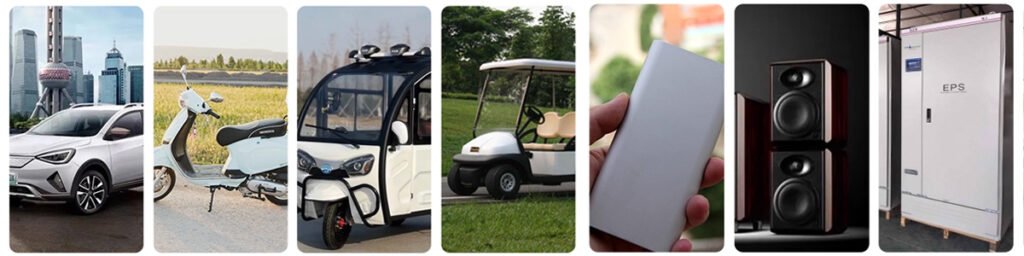






Li-ion batteries dominate the market because they offer a superior combination of properties:
- High Energy Density: They can store a lot of energy in a small, light package. This is crucial for smartphones and electric vehicles.
- Low Self-Discharge: They lose their charge very slowly when not in use(around 1-2% per month), unlike older battery types.
- No Memory Effect: Unlike Ni-Cd batteries, they don't need to be fully discharged before recharging. You can"top them off" anytime without harming their capacity.
- Long Cycle Life: They can typically withstand hundreds to thousands of charge-discharge cycles before their capacity significantly degrades.
Common Types of Li-ion Batteries
Not all Li-ion batteries are the same. The chemistry of the cathode material changes the battery's characteristics:
- Lithium Cobalt Oxide (LCO): High energy density, used in phones and laptops. Less stable.
- Lithium Iron Phosphate (LFP): Very safe, long cycle life, and cobalt-free. Used in power tools and many EVs (like Tesla's Standard Range models). Slightly lower energy density.
- Lithium Nickel Manganese Cobalt Oxide (NMC): A popular compromise. Good energy density, good power, and decent life. Used in most electric vehicles (like those from VW, BMW, Hyundai).
- Lithium Nickel Cobalt Aluminum Oxide (NCA): High energy and power density, used by Tesla in their long-range vehicles.
Common Applications
You interact with Li-ion batteries every day:
- Consumer Electronics: Smartphones, laptops, tablets, cameras, wireless headphones, smartwatches.
- Electric Vehicles (EVs): All modern EVs and plug-in hybrids.
- E-bikes and E-scooters
- Power Tools: Cordless drills, saws, etc.
- Grid Energy Storage: Storing energy from solar and wind power.