-
Current Language
-
Change Language
Solutions
Advanced Solutions for Diverse Power Needs
-
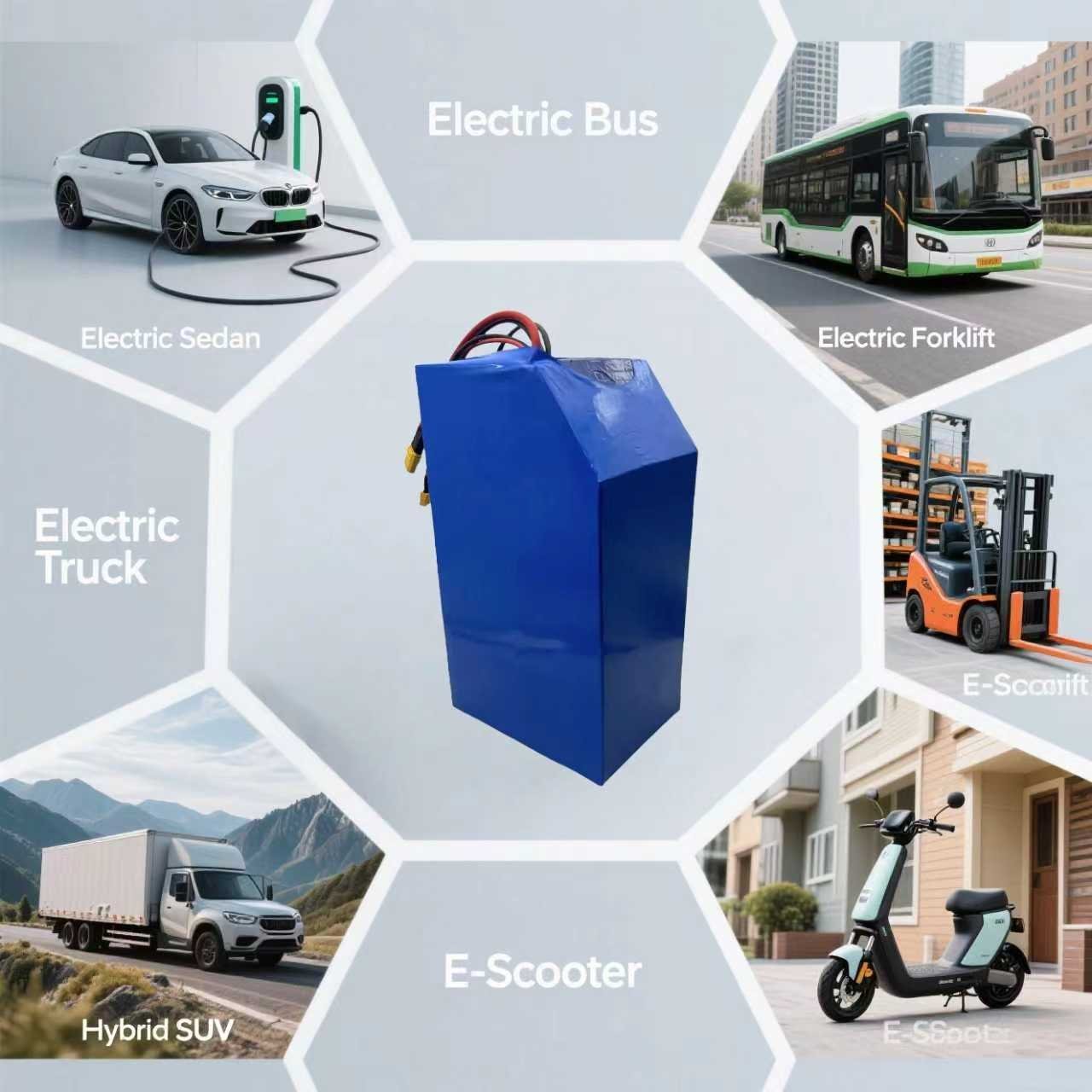
Powering the Future: Top Applications of Lithium Battery PacksLithium Battery Applications in Electric Vehicles
Lithium battery packs have revolutionized how we store and use energy, moving far beyond just powering our smartphones. Their unique combination of high energy density, long lifespan, low self-discharge, and versatile design has made them the cornerstone of modern portable and renewable energy solutions. From transportation to our homes, lithium battery packs are enabling a more mobile and sustainable world.Let's explore the key industries and applications where these advanced power systems are making a significant impact. The Broader Technology & Market Solution Key Components of a Complete Li-ion Battery Solution: Battery Cells: The fundamental unit. Different chemistries are chosen based on the application: LFP (Lithium Iron Phosphate): High safety, long life, cost-effective. Used in energy storage systems (ESS), budget EVs, and commercial vehicles. NMC (Lithium Nickel Manganese Cobalt Oxide): High energy density, good power. Dominant in electric vehicles (EVs) and high-end consumer electronics. Battery Management System (BMS): The "brain" of the battery. Functions: Monitors voltage, temperature, and current; protects from over-charge/discharge; ensures cell balancing; calculates state of charge (SoC) and state of health (SoH). Thermal Management System: Critical for safety and longevity. Solutions: Passive (air cooling), Active (liquid cooling/heating), Phase Change Materials. Packaging & Integration: The mechanical structure that houses the cells, BMS, and cooling systems into a usable pack (e.g., a EV battery pack or a grid storage container). The "Solution" to a Specific Problem What problems do Li-ion batteries solve? The Electric Vehicle (EV) Revolution: They provide the high...
-
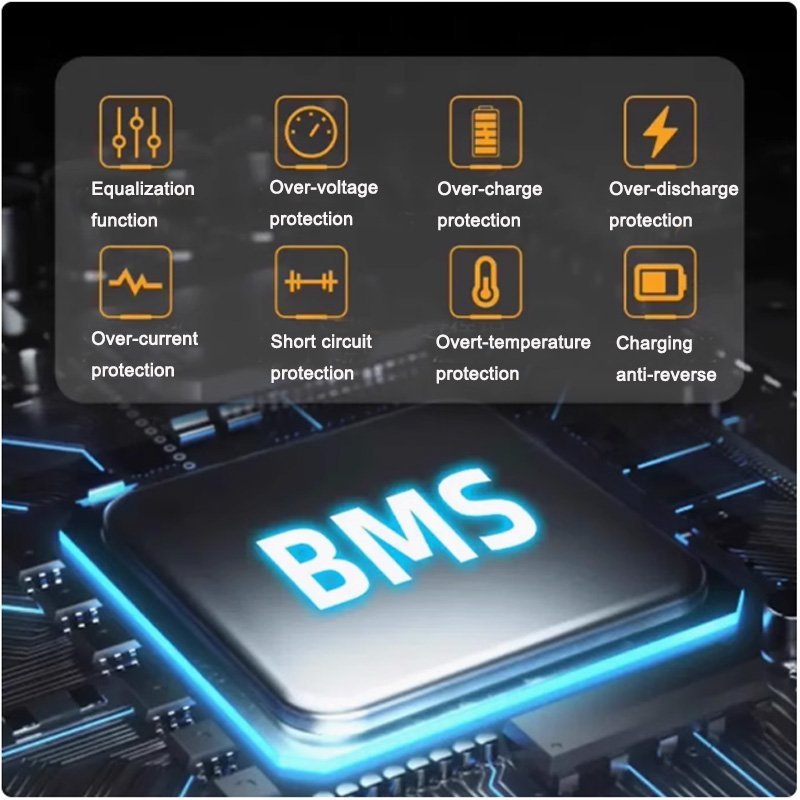
The Essential Guide to Your Lithium Battery's Guardian: Demystifying the BMS
Discover the essential role of the Battery Management System (BMS) in lithium battery packs. Learn how this protection board ensures safety, prevents overcharge/discharge, balances cells, and maximizes battery performance and lifespan. A must-read guide. What is a BMS and Why It's Essential for Lithium Batteries? A BMS is a circuit board that manages a rechargeable battery pack. Its primary job is to: Protect the Battery: Prevent it from operating outside its Safe Operating Area (SOA), which is crucial as lithium-ion cells can catch fire or explode if abused. Prolong Battery Life: Ensure the battery operates in a way that minimizes degradation. Monitor Status: Provide information about the battery's state to the user or the larger system (e.g., an EV's dashboard). Core Functions & How They Protect Your Battery Here are the fundamental tasks a BMS performs, often in real-time: A) Protection & Safety (The "Bodyguard")This is the most critical function. The BMS continuously monitors and will disconnect the battery if any of these limits are exceeded: Over-Voltage Protection (OVP): Prevents charging the cell voltage too high, which can cause lithium plating and thermal runaway. Under-Voltage Protection (UVP): Prevents discharging the cell voltage too low, which can cause irreversible damage to the anode. Over-Current Protection (OCP): Limits current during charging (e.g., a faulty charger) and discharging (e.g., a short circuit). Short-Circuit Protection (SCP): A very fast-acting version of OCP. Over-Temperature Protection (OTP): Monitors cell temperatures and disables operation if they become...
-
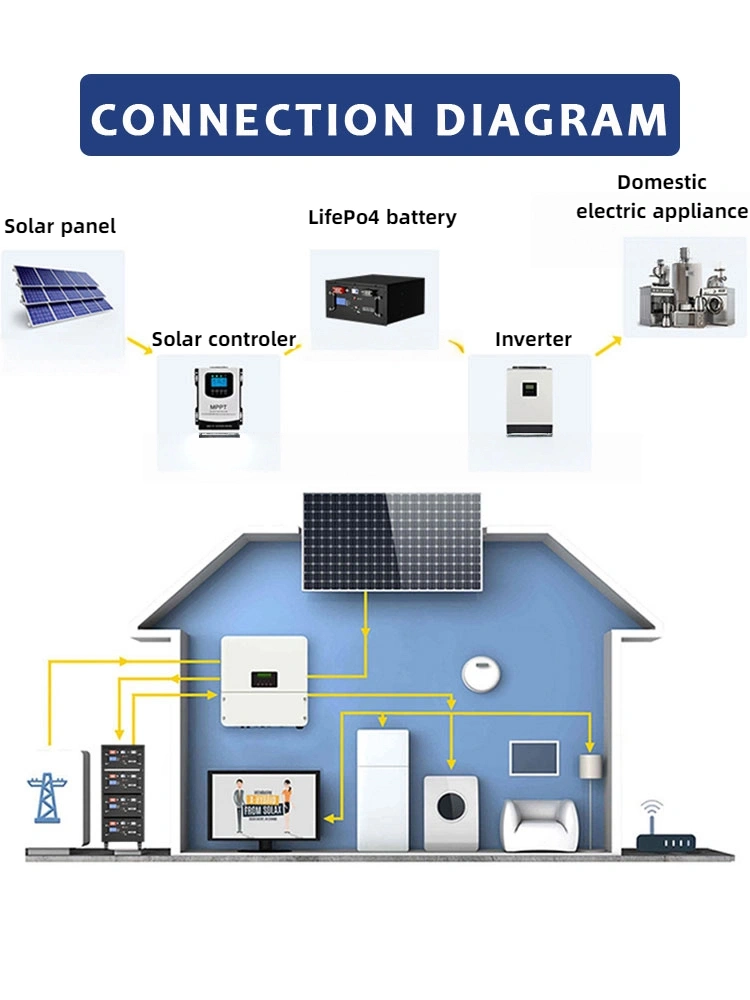
Power Your Home, Home Battery Storage Solution
What is Home Battery Storage? At its simplest, a home battery system is a large, rechargeable battery (or a series of batteries) installed in your home to store electrical energy for later use. These systems are typically paired with solar panels but can also be used with grid electricity alone. Core Components: The Battery Pack: The physical storage unit, using Li-ion chemistry (most commonly LFP - Lithium Iron Phosphate due to its safety and long life). The Inverter/Charger: The brain of the system. It manages charging (from solar or the grid) and discharging (to your home). It converts DC electricity from the batteries to AC for your home. AC-Coupled: The battery has its own inverter, separate from the solar inverter. This is common for retrofitting batteries to existing solar systems. DC-Coupled: The battery and solar panels share a single, hybrid inverter. This is often more efficient and common in new installations. Battery Management System (BMS): As discussed before, this is embedded in the battery to ensure safety, longevity, and performance. Key Considerations A) Chemistry & Safety LFP (Lithium Iron Phosphate) is now the gold standard for home storage. It is inherently safer (less fire risk) and has a much longer cycle life than NMC chemistries. Always ask about the battery chemistry. B) Capacity & Power Usable Capacity (kWh): How much total energy the battery can store. This determines how long it can power your home. (e.g., 10 kWh can run...