





What is Home Battery Storage?
At its simplest, a home battery system is a large, rechargeable battery (or a series of batteries) installed in your home to store electrical energy for later use. These systems are typically paired with solar panels but can also be used with grid electricity alone.
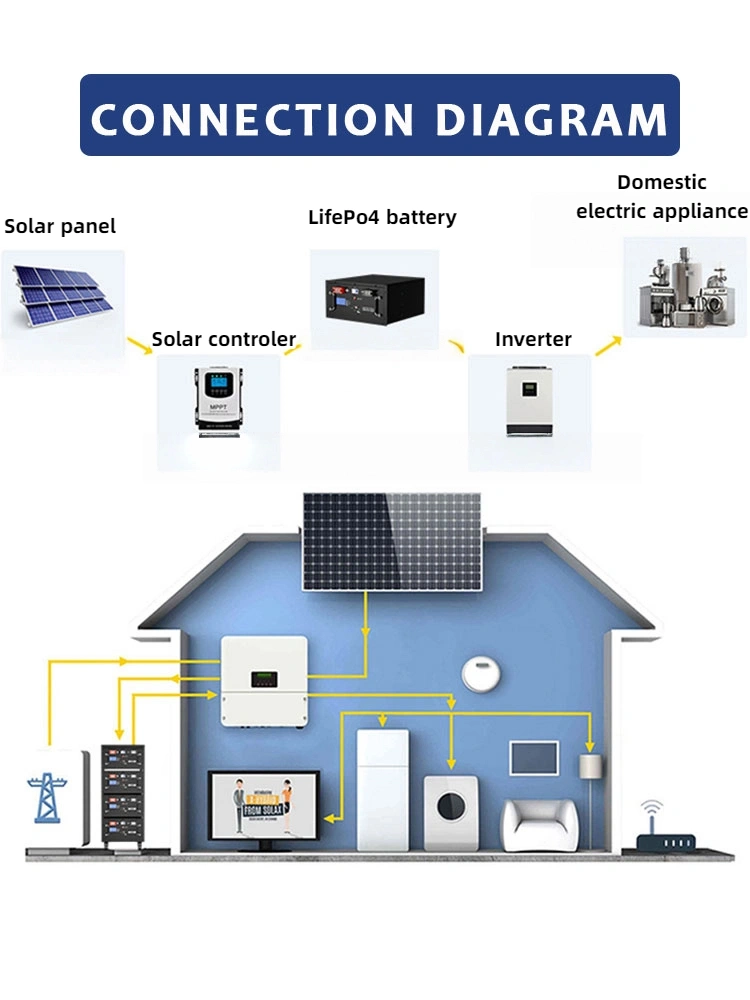
Core Components:
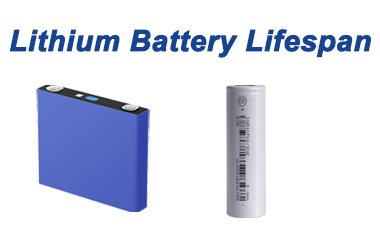
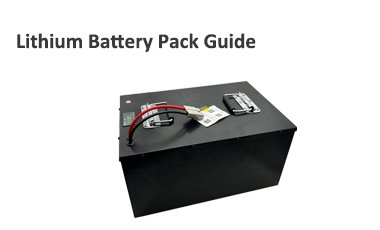
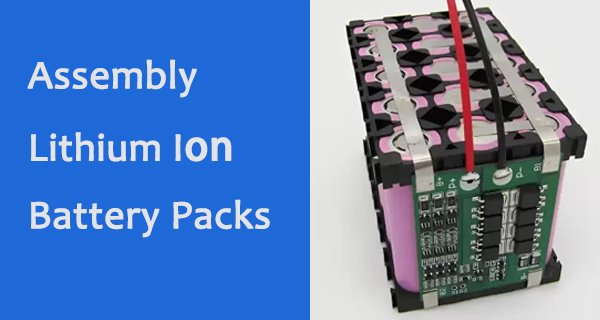
- The Battery Pack: The physical storage unit, using Li-ion chemistry (most commonly LFP - Lithium Iron Phosphate due to its safety and long life).
- The Inverter/Charger: The brain of the system. It manages charging (from solar or the grid) and discharging (to your home). It converts DC electricity from the batteries to AC for your home.
AC-Coupled: The battery has its own inverter, separate from the solar inverter. This is common for retrofitting batteries to existing solar systems.
DC-Coupled: The battery and solar panels share a single, hybrid inverter. This is often more efficient and common in new installations.
- Battery Management System (BMS): As discussed before, this is embedded in the battery to ensure safety, longevity, and performance.
Key Considerations
A) Chemistry & Safety
- LFP (Lithium Iron Phosphate) is now the gold standard for home storage. It is inherently safer (less fire risk) and has a much longer cycle life than NMC chemistries. Always ask about the battery chemistry.
B) Capacity & Power
- Usable Capacity (kWh): How much total energy the battery can store. This determines how long it can power your home. (e.g., 10 kWh can run a typical home's essentials for 8-15 hours).
- Continuous Power (kW): How much power the battery can deliver at any moment. This determines what appliances it can run. (e.g., Starting a central AC unit requires a high power surge, around 4-6 kW).
C) Backup Configuration
- Whole-Home Backup: Requires a more expensive and complex system with a critical loads panel or a smart panel (like Span or Schneider) to manage power.
- Essential Loads Backup: A more common and affordable setup where only specific, critical circuits (lights, fridge, outlets) are backed up.
D) Installation & Compatibility
- New Solar vs. Retrofit: It's generally easier and more efficient to install solar and battery together. Retrofitting a battery to an existing solar system is possible but may require additional equipment.
- Professional Installation is Mandatory: This is high-voltage, complex equipment. It must be installed by a certified and experienced professional.
The Future of Home Battery Storage
Falling Costs: Battery prices continue to drop, making them accessible to more homeowners.
Vehicle-to-Home (V2H): Using your electric vehicle (like a Ford F-150 Lightning or a Nissan Leaf) as a backup power source for your home. This is a massive game-changer.
Smarter Software & VPPs: Systems will get better at autonomously optimizing for cost savings and grid support.