





When building or using a lithium battery pack, one critical but often overlooked parameter is internal resistance (IR) difference between cells. Even if all cells show the same voltage, a mismatch in internal resistance can silently slash your battery's lifespan—sometimes by more than 50%.
Why Internal Resistance Difference Matters
Internal resistance reflects how easily a cell delivers current. Lower IR means better performance. In a series or parallel pack, current flows through all cells. However, cells with higher internal resistance experience greater voltage drops under load. As a result:
- High-IR cells overheat during charge/discharge. Heat accelerates chemical degradation, thickening the solid-electrolyte interface (SEI layer) and permanently raising IR further—a self-reinforcing failure loop.
- Uneven energy distribution forces low-IR cells to work harder. They may operate outside safe current limits, leading to lithium plating, capacity fade, or even internal shorts.
- Voltage imbalance triggers protective cutoff—the BMS stops charging when the high-IR cell reaches full voltage first, leaving other cells undercharged. During discharge, the same high-IR cell hits low-voltage cutoff earlier, wasting usable capacity.
Quantified Impact on Cycle Life
Real-world tests show:
- IR difference < 5% → 80% capacity after 800 cycles
- IR difference 10-15% → 80% capacity after only 400 cycles
- IR difference > 20% → rapid failure within 150 cycles or thermal runaway risk
For high-drain applications (power tools, e-bikes, EVs), the effect is even more severe because high currents magnify IR-related voltage drops.
How to Minimize IR Difference
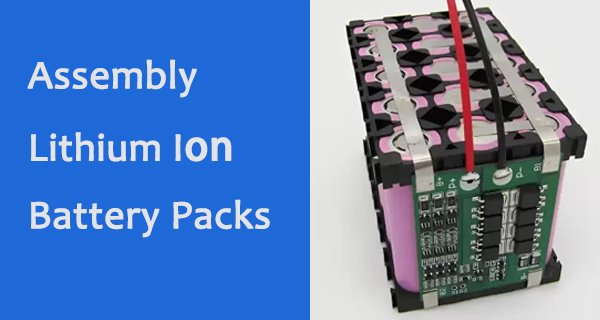
- Grade cells before assembly – Use a 4-wire milliohmmeter. Match cells to within ±5% IR (e.g., 20±1 mΩ).
- Avoid mixing cells of different ages or sources – Older cells naturally develop higher IR.
- Use proper busbars and connections – Poor welds or loose terminals add artificial resistance differences.
- Opt for matched factory sets – Premium suppliers like Molicel or Samsung offer pre-matched grades.
- Monitor over time – Even good packs degrade unevenly. Periodic IR checks help predict replacements.
Bottom Line
Internal resistance difference isn't a small detail—it's a predictor of pack failure. Matched cells with low IR spread deliver more cycles, safer operation, and consistent performance. Spending 10 minutes measuring IR before assembly can double your battery's useful life. Don't gamble on mismatched cells.